Do Steel Houses Rust Over Time Best Practices Explained

Time:2026-08-17 Author:Madeline
0%

When exploring the question, "do steel houses rust over time," it is essential to understand the factors influencing steel durability. Steel is known for its strength and longevity. However, it is not entirely immune to rust. Over time, environmental conditions and maintenance play critical roles in this process.

Rust develops when steel is exposed to moisture and oxygen. In humid climates, the risk of corrosion increases. Homeowners must be aware of their surroundings. Regular inspections and effective maintenance can mitigate rust issues. Protective coatings provide a barrier against the elements, enhancing steel's resilience.

Despite steel's durability, neglect can lead to unforeseen problems. Homeowners should be proactive in addressing vulnerabilities. A well-maintained steel house can offer longevity and security. Understanding how to combat rust is crucial for preserving its integrity over the years. Proper care ensures that steel houses remain a reliable choice for modern living.
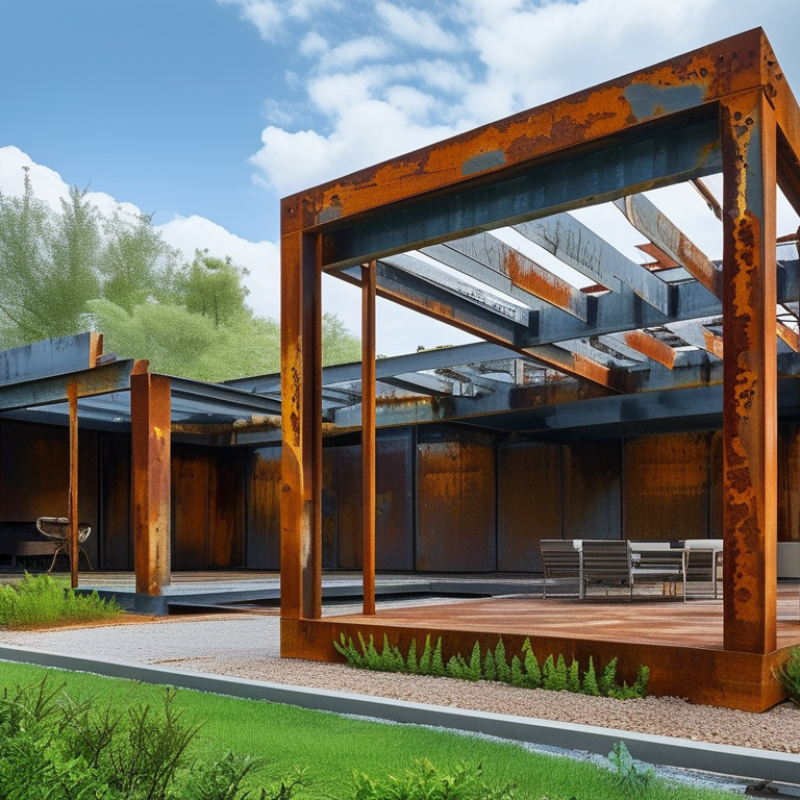
Do Steel Houses Rust Over Time Best Practices Explained

Do Steel Houses Rust Over Time? Understanding Corrosion Mechanisms

Steel houses, while durable, are not immune to rust. Corrosion occurs when steel reacts with moisture and oxygen. This process can compromise structural integrity over time. A study by the American Institute of Steel Construction indicated that untreated steel can show signs of corrosion within 4 to 6 months of exposure to harsh conditions.

Environmental factors greatly influence rust development. Areas with high humidity or salt exposure see accelerated corrosion. The National Association of Corrosion Engineers notes that corrosion costs the U.S. economy approximately $276 billion annually. Preventive measures, like applying protective coatings, become essential in prolonging the life of steel structures.

Even with the best practices, some risks remain. Small cracks or wear could lead to hidden moisture accumulation. Regular inspections and maintenance are crucial. Industry guidelines recommend conducting checks at least once a year, focusing on joints and edges. Staying proactive can mitigate rust issues, but it's not always foolproof. Attention to detail is key in the ongoing battle against corrosion.

Factors Influencing Steel Corrosion in Residential Constructs

Steel houses can face corrosion over time, influenced by several factors. Humidity is a major concern. Areas with high moisture levels see increased rust formation. According to studies, approximately 80% of steel corrosion occurs due to moisture and environmental conditions.

Another factor is air quality. Pollutants, like salt and sulfur compounds, can accelerate corrosion rates. A report from the National Association of Corrosion Engineers indicates that industrial environments can triple the corrosion rate of steel. This highlights the need for careful location assessment when constructing steel houses.

Tip: Ensure proper drainage systems around your steel structure. This can minimize water accumulation, reducing rust risks.

The quality of the protective coating also matters. Not all coatings are created equal. Over time, even high-quality paint can degrade and expose steel. Regular maintenance checks can help identify when re-coating is necessary.

Tip: Inspect your steel house at least once a year. Look specifically for signs of rust or paint peeling. Early intervention can save significant repair costs.

Do Steel Houses Rust Over Time: Factors Influencing Steel Corrosion

This chart illustrates the factors influencing steel corrosion in residential constructions over a span of time, highlighting the impact of different environmental elements.

Best Practices for Preventing Rust in Steel Homes

Steel houses can indeed rust over time if not properly maintained. To prevent this, it’s essential to focus on specific best practices. Regular inspections are key to identifying early signs of rust. Check areas where water can collect, like gutters and joints. These spots need special attention as moisture can accelerate rusting.

Using a protective coating can also minimize the risk of corrosion. A high-quality primer and paint can create a barrier against moisture and elements. Remember, even a small scratch in the paint can lead to rust if not fixed promptly. Regular touch-ups will go a long way in maintaining steel’s integrity.

Moreover, proper drainage around your steel home is crucial. Ensure that the landscaping directs water away from the foundation. This can help prevent prolonged exposure to moisture, which is a significant factor in rust formation. Engaging a professional for regular maintenance checks is wise. Expert advice can offer more specific strategies tailored to your environment. Reflecting on these practices can lead to more durable steel homes.

Evaluation of Protective Coatings and Treatments for Steel Structures

Protecting steel structures from rust is crucial for longevity. Evaluation of protective coatings and treatments plays a key role in this process. Various options are available, each with unique properties. For example, galvanization provides a zinc layer to prevent corrosion. This effective method is widely used but may not suit every application. The environment affects its performance.

Another common treatment is paint. Specialized anti-corrosion paints create a barrier against moisture. However, they require regular maintenance and reapplication. The lifespan of these coatings can vary due to exposure conditions. In humid environments, even the best paint may fail sooner than expected.

Lastly, applying rust inhibitors or corrosion-resistant alloys can also help. These methods are effective but may involve higher initial costs. Regular inspection and maintenance are essential, regardless of the chosen method. Understanding the specific conditions of your steel structure will lead to better protection strategies. It is essential to learn from past experiences to improve current practices.

Industry Case Studies: Longevity of Steel Houses Under Various Conditions

Steel houses are often praised for their durability and modern aesthetic. However, they face challenges over time. Rust, a common enemy, can compromise structural integrity. Industry case studies reveal diverse outcomes based on environmental conditions and maintenance practices.

In coastal areas, steel homes are more vulnerable to corrosion due to salt air. For instance, a steel house constructed near the ocean showed significant rusting within five years. In contrast, a house situated in a drier climate remained rust-free even after a decade. Regular maintenance, such as painting and applying protective coatings, played a crucial role in prolonging the lifespan of the steel structures.

Yet, not all preventative measures guarantee complete protection. Some homeowners overlook the importance of routine inspections. This neglect can lead to unnoticed rust spots that expand over time. While steel houses can last, their longevity often depends on environmental factors and whether owners prioritize upkeep.

FAQS

: What is a major factor causing steel corrosion?

: Humidity is a significant factor. High moisture levels can lead to increased rust formation.

How does air quality affect steel corrosion?

Pollutants like salt and sulfur compounds can speed up corrosion rates significantly in steel structures.

How often should I inspect my steel house?

It's recommended to inspect your steel house at least once a year for rust or paint issues.

What role does protective coating play in preventing rust?

A quality protective coating can create a barrier against moisture and environmental elements, reducing rust risk.

What areas should I pay special attention to during inspections?

Focus on areas where water can collect, like gutters and joints. Moisture accumulation accelerates rusting.

How should landscaping be designed around a steel home?

Landscaping should direct water away from the foundation. This prevents prolonged moisture exposure.

What happens if a scratch occurs in the paint?

A small scratch can expose steel to moisture, leading to rust if not addressed quickly. Regular touch-ups matter.

Is it necessary to engage professionals for maintenance?

Yes, professionals can provide tailored maintenance strategies to enhance durability based on specific environments.

Can poor drainage systems increase corrosion risk?

Yes, improper drainage can lead to water accumulation, significantly raising rust formation chances.

What should I reflect on regarding steel maintenance?

Regular checks and timely interventions can lead to more durable steel homes and help avoid costly repairs.

Conclusion

Steel houses can be a durable choice for residential construction, but a common concern arises: do steel houses rust over time? Understanding the corrosion mechanisms is crucial, as moisture, oxygen, and pollutants can lead to the degradation of steel. Several factors influence the rate of corrosion, including environmental conditions and the quality of the steel used in construction.

To prevent rust in steel homes, implementing best practices is essential. These include utilizing protective coatings and treatments that can significantly extend the lifespan of steel structures. Evaluations of different protective measures have shown varied effectiveness under various environmental situations. Industry case studies reveal insights into the longevity of steel houses, demonstrating that with proper maintenance and proactive measures, steel can remain resilient against rust and corrosion for many years.

Madeline

Madeline

Madeline is a dedicated marketing professional with a wealth of expertise in our company's core offerings. With a keen understanding of the industry, she brings a unique perspective to her role, consistently delivering high-quality content that highlights the superior aspects of our products. As......