Steel structure houses have gained attention for their unique benefits. They promise durability and strength. However, the question arises: how energy efficient are steel structure houses compared to others?
Understanding energy efficiency is crucial today. Many homeowners seek sustainable options. Steel houses might offer an advantage in insulation and durability. In comparison to traditional wood or concrete homes, they may reduce energy consumption. However, the initial costs and environmental impact of steel production invite scrutiny.
This exploration will delve into real-world data and expert analyses. We will compare energy performance metrics. Additionally, we must consider potential downsides, such as heat retention and moisture control. Ultimately, the goal is to determine the true efficiency of steel structure houses in a practical context.
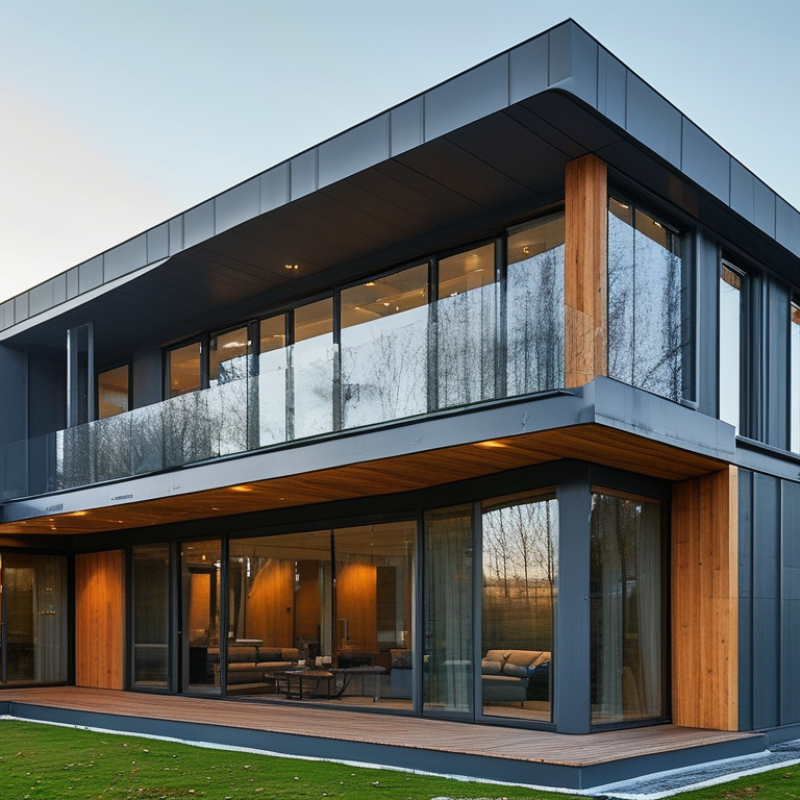
Energy efficiency in construction largely depends on the materials used. Steel structures are often compared to conventional wood or concrete houses. Interestingly, studies indicate that steel houses can outperform some traditional structures in energy consumption. A report from the U.S. Department of Energy reveals that well-insulated steel homes can reduce energy bills by up to 30% compared to standard wood homes.
One key factor is thermal bridging. Steel conducts heat better than wood, which can lead to increased thermal transfer. However, proper insulation and building techniques can mitigate this issue. Steel buildings can also use reflective materials to reduce heat absorption. In contrast, wood may require more energy for heating in colder climates.
Tips: Consider adding insulation to steel frames. Using high-quality insulation will enhance your home's energy efficiency. Pay attention to sealing gaps and ensuring a tight building envelope. This simple step can lead to substantial energy savings.
Data from the National Renewable Energy Laboratory suggests that energy-efficient steel buildings contribute less to climate change. They generate fewer emissions during their lifecycle than traditional homes. But, the upfront cost of steel structures may require careful consideration. Weighing these factors is essential for making informed decisions.
: Steel structures have better thermal performance, helping regulate indoor temperatures. They can lead to lower energy bills over time.
Yes, the initial energy cost for producing steel is high. It raises questions about overall environmental impact.
Wood is renewable but can have issues like pests and mold. These can affect its energy efficiency over time.
Proper insulation minimizes heat loss in winter and reduces cooling in summer. Choosing the right materials is essential.
Good ventilation systems are crucial. They improve air quality and can help maintain comfortable indoor temperatures.
Energy-efficient windows, reflective roofing, and better insulation can significantly reduce energy consumption.
Positioning homes to utilize natural light reduces reliance on artificial lighting, contributing to energy efficiency.
Innovations like solar panels and energy management systems help monitor and optimize energy usage in real time.
No, not all steel constructions focus on energy efficiency. Some still waste resources or overlook sustainable practices.
Continuous improvement in design and construction is needed. Addressing waste and sustainability concerns is vital for the future.
The article "How Energy Efficient Are Steel Structure Houses Compared to Others?" provides an insightful overview of the energy efficiency of steel structure houses in relation to traditional building materials like wood and concrete. It begins with a foundational understanding of energy efficiency in building materials, establishing a context for comparing different construction methods. Through a comparative analysis, it highlights how energy efficient are steel structure houses, showcasing their advantages in thermal insulation, longevity, and reduced energy consumption.
Key factors influencing the energy efficiency of steel homes are addressed, including design choices and insulation methods. The discussion also emphasizes sustainable practices, demonstrating how steel homes not only promote energy conservation but also align with modern environmental standards. Lastly, the article explores future trends and innovations aimed at further enhancing the energy efficiency of steel houses, indicating a promising outlook for sustainable construction practices in the steel industry.

 Umo House